


If you are not paying for it, you're not the customer; you're the product being sold.
— Andrew Lewis
If you’re a power crypto user, you probably interact with a wallet dozens of times a day. But if you think a wallet is just a place to access your digital coins, you are missing the bigger picture.
For the uninitiated, a wallet is simply a piece of software/hardware that lets you manage your public keys (your account number) and private keys (your password). The wallet doesn’t actually “hold” your tokens, those live on the blockchain. A wallet simply secures your keys and provides an interface to send, receive and interact with crypto apps.
“The interface”. That is the magic word. This is exactly why everyone, from Centralized Exchanges (CEXs), DeFi protocols, browser giants, to big institutions is racing to launch one.
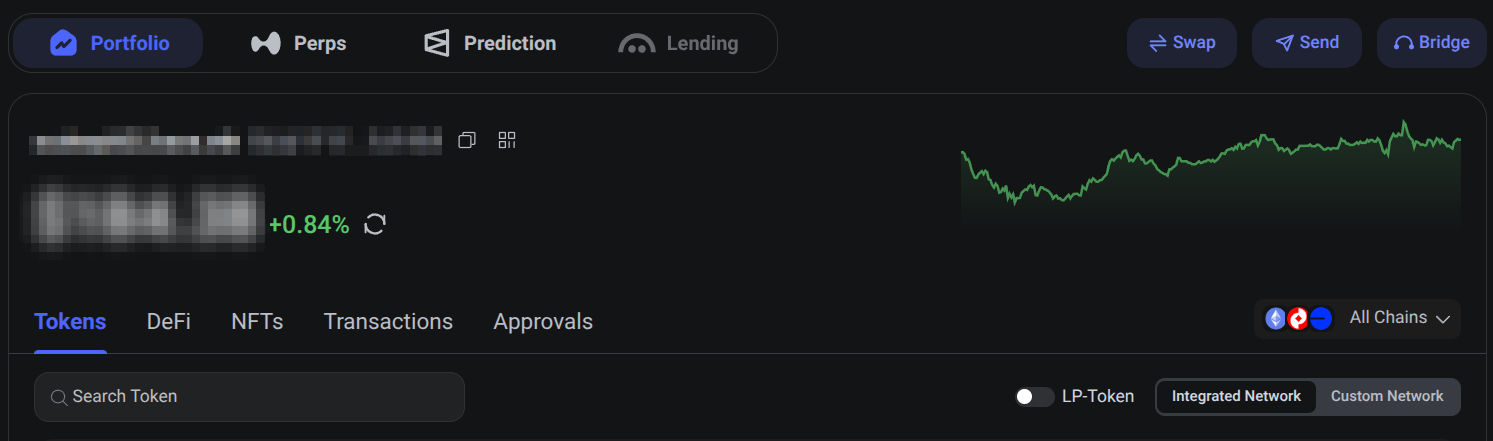
If you are an OG, you must have used a Metamask wallet back in the days where it could only be used to send tokens, and sign transactions on apps. But the wallets have leveled up a lot since those early days. All major wallets now come with a nice view of a summary of your portfolio, send/receive tokens, swaps and other apps like prediction markets baked into the wallet itself, NFT views and the ability to trade them, and so on. You get the idea, right?
Wallets are no longer just tools to store your keys, they’re the new front-doors to web3. They are a strategic tool that everyone wants to own. The trend of “everyone launching a wallet” is driven by a shift in how the industry views value capture. The industry has realized that in a decentralized economy, the interface is the kingmaker.
The "free" wallet model is a myth. Modern wallets are sophisticated revenue engines that monetize user attention, transaction flow, and asset management.
The Gateway Effect
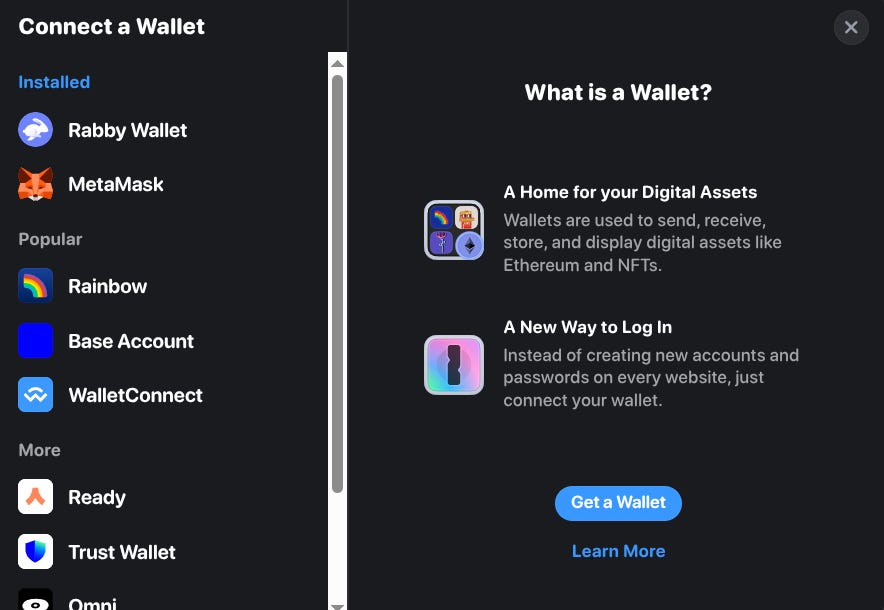
A wallet is the first thing a user touches in crypto. Anyone who controls the interface, controls the relationship. Think of wallets like browsers in the early internet. Owning the entry point means shaping the entire experience. Once you have the users, you can easily provide value added services and charge a premium on those services. And many users don’t mind paying a small premium for the convenience of easy access.
Along with this, wallet users are sticky. Once a user commits to a wallet, switching feels costly. Trusting the new wallet, migrating seed phrases/private keys, getting used to the new interface, all these create friction for the user. This lock-in effect generates powerful network effects, making wallets one of the most defensible assets in crypto.
The Super-App ambition
In web2, the companies that won were mainly the aggregators. Google organized information, Facebook organized social connections, Amazon organized commerce, Netflix organized entertainment. They didn’t necessarily create the content or product. They controlled the distribution. By controlling the wallet, a company controls the distribution. They can determine which apps are featured, which tokens are visible, and which chains are prioritized.
For example, Metamask heavily prioritizes Linea and Infura, products owned by its parent company, Consensys. The goal is to become the WeChat or Paytm of crypto, a single app where users chat, trade, browse, and pay, without leaving the ecosystem. And if you’re someone who’s active in web3, you must have noticed Base/Farcaster trying to exactly follow this playbook.
Wallets are no longer passive tools. They are evolving into “Super Apps” for crypto, enabling projects to monetize through partner fees, sponsored gas-less transaction fees (Rabby Gas Account), premium features (such as on-ramp and off-ramp service fees) , or ecosystem integrations (such as Hyperliquid Perps, Polymarket prediction markets, etc). In a world where attention is very scarce, wallets are the prime real estate.
Swaps are the Golden Goose
The most immediate source of revenue for consumer wallets is the in-app token swaps aka “Trading”.
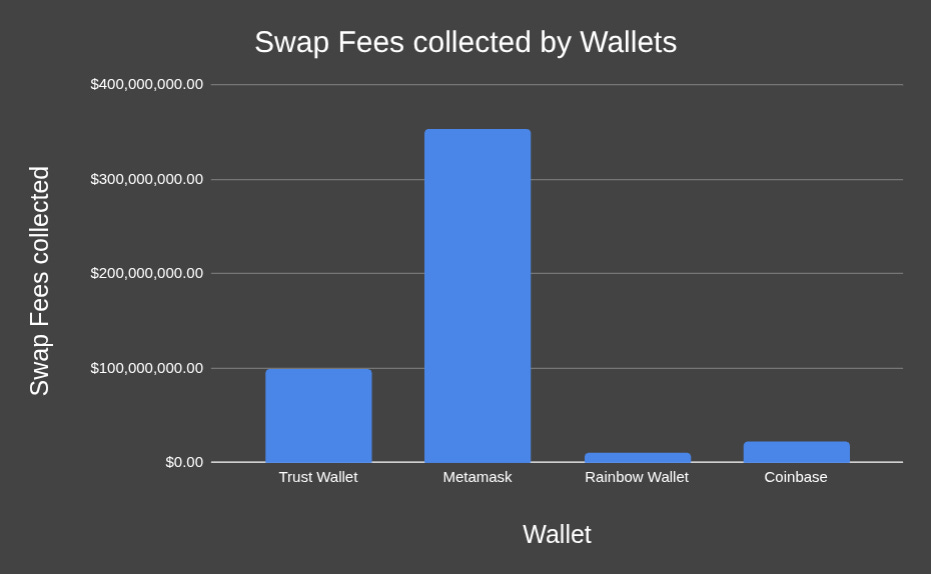
Wallets such as Metamask, Phantom and Rabby provided a wake-up call to the industry when data revealed their “Swap” features were generating hundreds of millions of dollars in revenue annually, often earning more than the very underlying swap protocols it was routing its trades through. For instance, MetaMask’s swap feature generated a cumulative revenue of approximately $345 million by the end of 2025, while Phantom, the leading wallet on Solana, generated over $79 million in annualized revenue. These figures often dwarf the revenues of the DEXs the wallets route through, validating the premise that the interface is the ultimate aggregator.
This could be mainly because many users might not be aware that the wallet is charging them fees or users are willing to pay a “convenience fee” (ranging from 0.25% to 1%) to swap tokens directly inside the wallet interface rather than navigating to another dapp or aggregator, connecting, approving and trading. Protocols are realizing that they were doing the heavy lifting while wallets were eating their lunch. Launching their own wallet is a defensive move to recapture that value.
But swaps are just the visible layer. Beneath the surface lies an even more controversial revenue stream: MEV
The hidden Goldmine: MEV and Order Flow
One of the most advanced (and controversial) revenue streams for wallets is something the average user never sees: Maximal Extractable Value (MEV). MEV refers to the profit that can be extracted from block production by reordering transactions.
Think of it like this: every time you send a transaction, it’s not just about paying transaction fees (gas fees). The order in which the transactions get processed can itself be valuable. For example, if two people are trying to buy the same token, whoever gets in first might make more profit.
Traditionally, this “extra value” was captured by miners, validators, or trading bots. But since wallets are the starting point for transactions, they can control the flow before it reaches the blockchain. Some wallets sell that priority to block builders. This practice is called Order Flow Auctions (OFA).
For the wallet, it’s a lucrative high margin revenue stream that doesn’t require charging the user a direct fee. Instead, they profit behind the scenes.
While tools exist to share these profits back to the user, most wallets currently keep this revenue for themselves.
The Walled Garden
Centralized exchanges are terrified of on-chain migration. As DeFi becomes easier to use with more user-friendly apps, fast and scalable chains, highly liquid avenues, users tend to move funds off exchanges into self-custody. This results in lower revenues for these CEXs, and is a direct risk to their business model.
But something unexpected happened here. Instead of fighting the trend, exchanges like Binance, OKX and Coinbase launched their own “self-custody web3 wallet”. Some exchanges went on to even create their own Layer 2 chains to capture more of that value. If a user wants to go on-chain to buy a memecoin or lend on a money market, the exchange wants them to do it through their wallet. This keeps the user within the exchange’s own ecosystem (“Walled Garden”). And there’s a good reason for that. It allows the exchanges to capture bridging fees, fiat on-ramp fees, trading fees, and withdrawal fees as well, effectively monetizing the user’s exit.
Account Abstraction changed the game
Earlier, launching a wallet was risky, because the UX was terrible. Users had to manage seed phrases/private keys, and if they lost them or the keys were compromised, the wallet provider was blamed. For a decade, the primary barrier to crypto adoption was the "Externally Owned Account" (EOA), requiring users to manage a cryptic public-private key pair or a 12 or 24 word seed phrase. Loss or a compromise of the phrase meant total loss of funds.
As Account Abstraction made progress, these issues slowly got better.
Developers can now provide a web2 experience with social recovery (Google/X login), sponsored gas fees and transaction bundling. This allowed mainstream consumer brands like Telegram and Reddit to launch wallets that feel like standard apps. The complexity of “crypto” is abstracted away, making it safe and easy for mainstream companies to enter the wallet wars without terrifying their users. Wallet as a Service companies such as Turnkey, Privy, and a few more popped up, allowing companies to create a wrapper wallet on top of this.
What’s next
The infrastructure phase of crypto is maturing. We have enough blockspace, we have enough speed. The next trillion dollars in value won’t come from a faster blockchain, but from the interface that simplifies the chaos for the next billion users.
In the battle for web3, the protocol is the engine, but the wallet is the steering wheel. And everyone wants to drive.
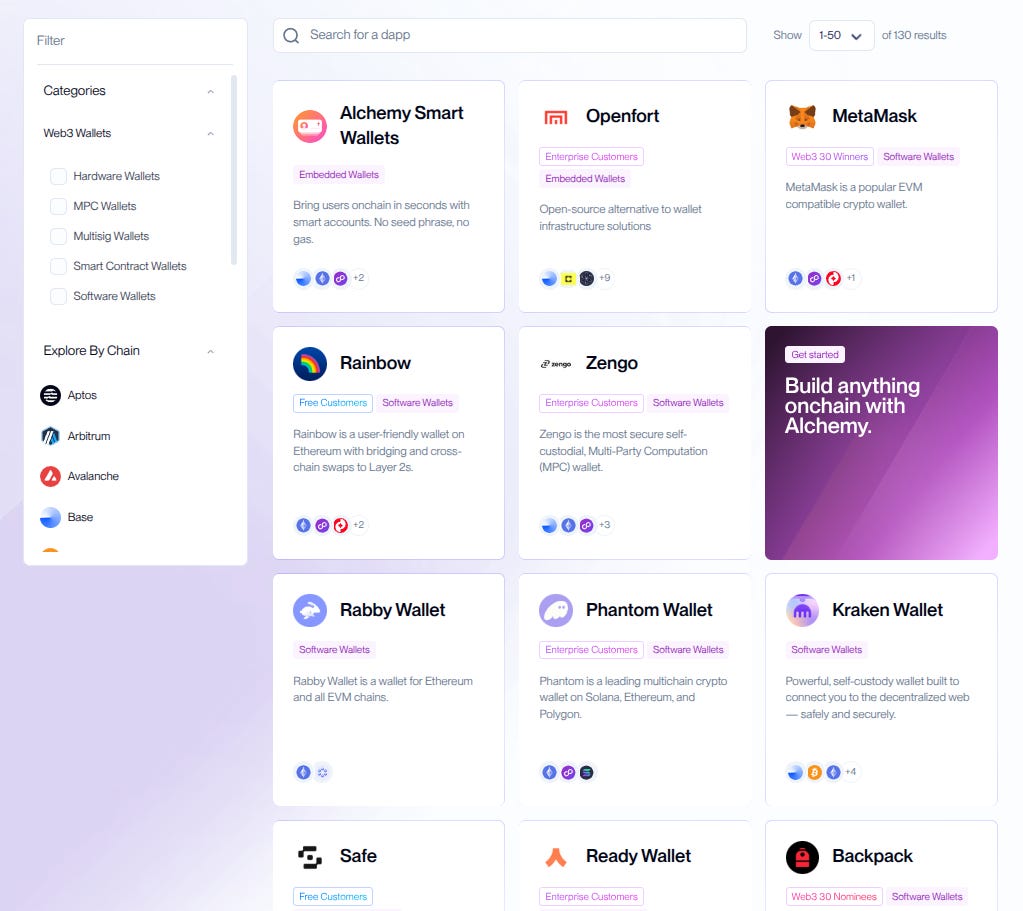
The next wave of wallets won’t just secure keys, it will store identity, reputation and even AI agents. Whoever wins the wallet wars will define how billions of people interact with the decentralized web.